Dorm Essentials: What To Pack (and What to Skip) for Your First Year
Posted on July 08, 2026 By Mike M.
Moving into a college dorm and getting that first taste of true independence is an exciting milestone, but figuring out what to pack can quickly become overwhelming. The challenge of setting up a dorm is maximizing utility within a very limited space. To help you avoid overpacking and cluttering your space, separating true daily necessities from unnecessary extras is essential. By focusing on smart, space-saving gear and high-efficiency electronics, you can create a comfortable study sanctuary as well as a cozy living space.
In this guide, we will cover:
- Upgrading campus-issued bedding for maximum comfort.
- Choosing the right portable computers and workspace accessories.
- Managing shared electronics like smart TVs with roommates.
- Utilizing compact appliances to keep your air clean and breathable.
- Identifying bulky furniture and non-essential appliances you can skip.
College Dorm Essentials You'll Actually Use
Stepping onto campus for your freshman year, or dorming for the first time in general, requires a strategic approach to your daily living setup. These are the core items that directly impact your academic performance, sleep quality, and physical well-being:
Bedding: Upgrade Your Campus Mattress
While your university provides the basics, campus-issued mattresses are notoriously stiff and well-worn. You're going to want some extra bedding to help you sleep comfortably.
- High-Quality Mattress Topper: A thick memory foam or cooling gel topper is an absolute must-have to add critical cushioning and pressure relief to the standard twin or twin XL mattress that you're likely getting from the school.
- Zipped Mattress Protector: You can also use a waterproof, hypoallergenic mattress protector to create a clean, protective barrier against dust mites and allergens.
- Supportive Pillows and Comfy Sheets: Invest in a solid set of pillows that match your sleeping position to prevent neck strain after a long night of studying. A set of cool, breathable sheets also goes a long way.
Laptop and Study Tech Essentials
A reliable computer is the single most important academic tool you will own, serving as your portable workstation for lectures, research, and exams.
- Portability First: Choose a lightweight laptop with long battery life that can easily slide into your backpack and last through a full day of back-to-back classes.
- Laptop-Tablet Hybrids: Consider a 2-in-1 hybrid model, which allows you to seamlessly switch between typing essays in laptop mode and using a stylus to sketch diagrams or take handwritten digital notes in tablet mode.
- Desk Accessories: Maximize your ergonomic comfort back at your desk by adding a separate wireless mouse, an external keyboard, or a laptop stand.
For more info on laptops, check out our blog: Back to School Buying Guide: How to Choose a Laptop for College.
TV and Shared Entertainment
Having a dedicated TV in your room offers a great way to unwind, but it requires a bit of pre-move-in communication.
- Roommate Coordination: Before buying any large electronics, contact your roommate to coordinate who is bringing what so you don't end up with duplicate screens cramping the room.
- Compact Smart TVs: A small smart TV (typically 32 to 43 inches) is the ideal size for a dorm wall or dresser, giving you instant access to streaming platforms without needing extra cables.
- Social Bonding: Setting up a central screen creates a natural social hub in your room, making it easy to host movie nights, watch sports, or play video games to bond with new friends.
Small Appliances for Snacks and Drinks
Managing your daily food and beverage storage depends heavily on your specific residence hall guidelines and provided amenities.
- Check Provided Amenities: If you're looking to save space in your dorm room, many residence halls offer a common-area kitchen equipped with appliances like a microwave and range.
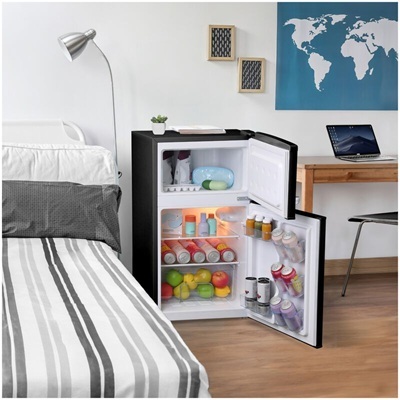
- Compact Mini Fridges: If your school doesn't provide one, a high-efficiency mini fridge is essential for keeping milk and healthy snacks fresh.
- Low-Wattage Microwaves: Pair your fridge with a compact, low-wattage microwave for quick late-night popcorn or ramen, ensuring it stays within your building's electrical safety limits.
Air Quality Control for a Healthy Dorm
Dorm rooms are notoriously small spaces that can become stuffy, dusty, and stagnant very quickly. Some air quality control items can alleviate a lot of common air issues.
- True HEPA Air Purifiers: A compact air purifier continuously scrubs the air to remove dust, pollen, and seasonal allergens.
- Humidifiers and Dehumidifiers: Use a small humidifier to combat dry, irritating campus heating in the winter, or a dehumidifier to pull muggy moisture out of the air during the early autumn months.
- High-Velocity Fans: A powerful tower fan or traditional box fan is essential for maintaining constant airflow and keeping room temperatures comfortable in warmer weather.
What You Can Avoid (At Least for Now)
Overpacking is the most common mistake first-year students make. To keep your floor plan open and clutter-free, leave these bulky or redundant items at home for your freshman year.
Desktop PC
While a high-powered computer setup is tempting, a full desktop tower creates unnecessary layout challenges in a shared space.
- Excessive Space Consumption: A large monitor, bulky tower, and messy cables eat up almost all your dedicated desk space, leaving no room for anything else.
- Lack of Portability: You cannot take a desktop tower to the library or a group study session, severely limiting where you can productively work.
- Gaming Laptop Alternatives: If you are worried about PC gaming, invest in a dedicated gaming laptop instead. It delivers the processing power you need for modern games while remaining fully portable for your schoolwork.
Furniture
Your university will provide the structural essentials, like a bed, a desk, a chair, and a dresser. This leaves very little room for extra furniture, especially in a freshman dorm.
- Space Constraints: Avoid bringing bulky accent chairs, futons, or coffee tables, as they will block walkways and make your room feel instantly cramped.
- Flexible Seating Solutions: If you want extra seating for guests, opt for a single accent chair like a bean bag or a folding saucer chair that can be easily tucked away when not in use.
- Utilize Under-Bed Storage: If you really need extra furniture, use bed risers to elevate your frame and utilize plastic storage bins beneath the bed to maximize your space for more seating.
Non-Essential Appliances
Standard dining plans and strict university fire safety codes make heavy cooking equipment completely unnecessary for first-year students.
- Dining Plan Coverage: Because your meal plan covers your daily nutrition at campus dining halls, you will almost never need to cook full meals in your room.
- Strict Appliance Restrictions: Many schools explicitly ban high-heat appliances like air fryers, hot plates, and toaster ovens due to the risk of accidental grease fires and blown circuit breakers.
- Save It for Next Year: Keep the advanced kitchen gadgets at home until you move into an upperclassman apartment or suite that features your own dedicated kitchen area.
Nailing your college dorm checklist is all about prioritizing daily functionality and comfort over everything else. Keep your layout minimal, coordinate major electronics with your roommate, and remember that you can always pick up extra items later if you truly find yourself missing them. Cross-reference your inventory with your university's approved item list today to ensure a smooth, stress-free move-in day!