How Long Does Food Last In the Fridge Without Power?
Posted on July 21, 2026 By Alison P.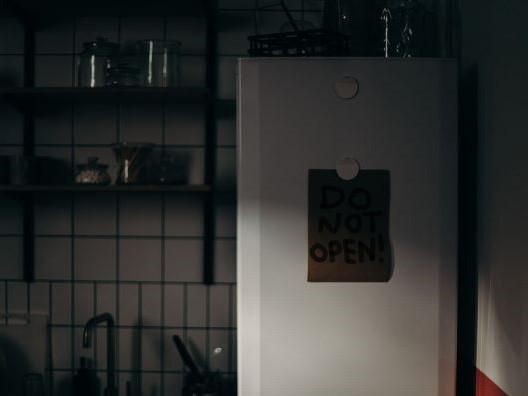
Nobody enjoys thinking about the dreaded summer power outage, especially when it comes to the subject of food spoilage. While you can't control the grid, you CAN control how prepared you are! Read on for some fridge power outage tips, some best practices for keeping your perishables as cold as possible during an outage, and how to proceed after the power comes back on.
What To Do Before the Power Goes Out
Be Aware of the “Danger Zone”
No, we're not talking about the song from Top Gun. The “danger zone” for perishable food means temperatures above 40 °F for over two hours, which is the point of no return when it comes to the kind of exponential bacteria growth that causes foodborne illness. If the temperature is over 90 °F, the food will enter the danger zone after only one hour.
Gear Up with the Right Equipment
It's good to be prepared! Have a large cooler available in your home, and make it a point to get a digital probe thermometer for checking the temperatures of your perishables if the situation eventually calls for that. (If the mood strikes to have a barbecue, you'll be prepared for that too!)
Keep a Steady Supply of Ice Available
Having heaps of ice at the ready at all times isn't just great because it's summertime - it's good to have it on hand in case of a power outage, too. Enjoy it in your beverages, but make sure you keep your ice maker as fully stocked as possible in case of emergency.
What To Do When the Power Goes Out
Timing Is Everything
The moment you lose power, write down the approximate time of the start of the blackout. If you have a battery-powered clock or an analog watch available, even better. It will be much easier to determine the status of your perishables if you know how long they've been without powered refrigeration.
Keep the Refrigerator and Freezer Closed
How long can a refrigerator go without power? An unopened refrigerator will stay at a safe temperature for approximately four hours during a blackout. How long can food in a freezer last without power? A filled-to-capacity unopened freezer can keep food frozen for up to 48 hours. However, please note that the operative word here is “unopened!” These timespans are fully dependent on leaving the refrigerator and freezer doors tightly closed for the entire time, so keep your mitts off!
Know When It's Time to Move
If the power is going to be out for longer than four hours, it's time to prep your cooler for your food's relocation. Unleash the floodgates on your supply of ice and dump it into the cooler, along with your refrigerator's contents. Be aware that, while we understand nobody feels good about wasting food, spatial limitations may mean you'll need to make some cuts.
What To Do After the Power Comes Back
Give the Fridge Time to Cool Down
If it's been longer than four hours, give your refrigerator an hour or so to cool off before you start opening and closing the door. We know you're thrilled to have the power back and want to reload the fridge as soon as possible, but be patient. Your fridge has been through a lot and needs some recovery time.
Take a Temp
Now's the time to call upon your food thermometer to test anything that may need testing. According to the FDA, perishable foods with temperatures that are 45 °F or below should be safe, but must be cooked and consumed as soon as possible. If your freezer-stored foods are under 40 °F or still have visible ice crystals, they should be okay to refreeze.
When In Doubt, Throw It Out
Now's not the time for a cavalier shrug and the phrase “It's fine.” Sometimes food looks and smells “fine” but is no longer safe to eat. If a food item is spoiled, it can still cause illness no matter how long it's cooked. If there's any question as to whether a food item is safe, err on the side of caution and toss it. Your stomach will thank you.
A summer blackout isn't exactly pleasant, but being prepared for one will certainly make it less of an ordeal, and minimizing food spoilage will save you time and money too. Get the gear you need now to save your perishables. Have a great summer!