How Often Should You Replace Your Pillows and Bedding? Sleep Specialists Answer!
Posted on July 29, 2026 By Bedgear
At the end of a long day, it feels like a gift to sink into heaps of fluffy, comfortable bedding and drift off to dreamland. However, time takes its toll, and your bedding may lose its fluffiness so gradually that you barely notice how comfort-deprived you've become. Wouldn't it be nice to ask a specialist for guidance on the proper timing for bedding replacement? You're in luck! We caught up with Shana Rocheleau, Vice President of Strategy at BEDGEAR, for info on the lifespan of the bedding you use every night and advice on the optimal times for replacement.
How Often to Replace Pillows
“At BEDGEAR, we recommend replacing your pillow every 12 to 18 months,” says Rocheleau. “Even if it still looks fine, the fill inside breaks down with regular use and stops providing the support your head and neck need.” An easy way to check: fold your pillow in half and let go. If it springs back, it's still got life in it; if it stays folded, it's time for a new one. Pillows also collect oils, allergens, and dirt over time, which is why BEDGEAR pillows have a removable, washer-safe cover. You'll be able to clean that buildup and get more life out of the pillow between replacements.
How Often Should You Buy New Sheets?
Typically, sheets and pillowcases should be replaced every two to three years, although the quality of the material and how often you rotate them makes a difference. All sheets wear down over time, though higher-quality fabrics tend to stay soft, strong, and effective at wicking moisture for longer. Once they start to thin, fade, fray, or simply stop feeling comfortable, it's time to replace them. You can extend your sheets' lifespan by rotating between sets and washing every one to two weeks to remove the body oils and sweat that contribute to wear.
When to Replace a Mattress Protector
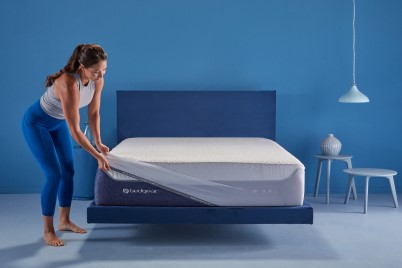
“We recommend buying two mattress protectors for every bed, so your mattress always stays protected when one is in the wash,” states Rocheleau. “With proper care, and switching protectors about once a month, they'll last the 6 to 10-year life of your mattress.” You'll want to replace a mattress protector sooner if the waterproof barrier begins to crack, peel, or lose effectiveness. You can't wash your mattress itself, so a protector plays an essential role in keeping your sleep environment clean and healthy. It's a small investment that helps you avoid the much greater expense of replacing an unprotected mattress.
What's the Lifespan of a Comforter?
“We recommend replacing your comforter when you notice the fill begins to flatten, clump, or retain debris that washing no longer removes,” says Rocheleau. As the fill breaks down, it becomes less effective at maintaining even warmth and stops allowing air to move freely around the body, which can contribute to overheating. Once a comforter can no longer maintain the right balance of warmth, airflow, and comfort, it's time for a new one.
Knowing when to invest in new bedding is key in maintaining the coziest sleep attainable, so keep your bed in its most plush setting possible by refreshing your bedding at the right times. Thank you, Shana, for sharing this vital bedding knowledge!