How to Organize Your Refrigerator for Fresh Food and Less Waste
Posted on June 22, 2026 By Mike M.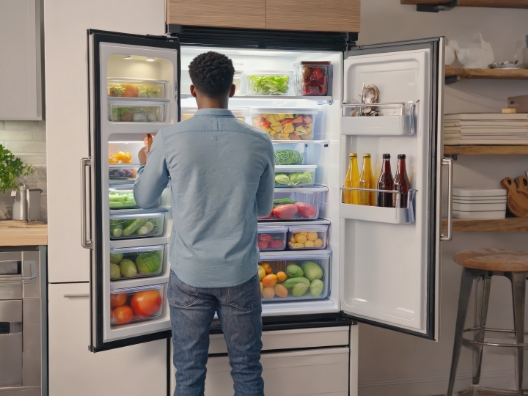
Mastering the art of refrigerator organization is all about food safety, reducing waste, and maximizing energy efficiency. A well-ordered refrigerator ensures proper airflow, which keeps your groceries fresher for longer and helps your appliance run at peak performance. Whether you have a French door fridge, a side-by-side fridge or any other type of fridge, these strategies will help you maximize valuable space.
In this guide, we will cover:
- Ideal storage for leftovers, dairy, and raw proteins.
- How to use crisper drawers to extend the life of produce.
- Why certain items should never be stored in the door.
- Simple routines for weekly and deep cleaning.
- Organizing your layout to prevent cross-contamination.
What is the Best Way to Organize a Refrigerator?
The key to professional-grade refrigerator management is understanding that different zones in your fridge have different temperatures, and the door is the warmest part of the unit. By matching your food's sensitivity to the correct zone, you prevent premature spoilage.
Upper Shelves
The top shelves have the most consistent temperatures, though they tend to be a bit warmer than the bottom or back of the fridge. This makes them the ideal spot for foods that don't need to be cooked to stay safe.
- Ready-to-Eat Foods: Store deli meats, cheeses, and prepared snacks here.
- Leftovers: Keep your meal-prep containers on these shelves so they are eye-level and easily accessible, reducing the chance of being forgotten and going to waste.
- Drinks: If you don't use the door for beverages, the upper shelves are great for chilled water or soda.
Lower Shelves
As you move down, the temperature stays colder, which is vital for higher-risk items.
- Dairy Management: Store milk, yogurt, and eggs on the lower shelves toward the back, where it's coldest.
- Raw Meat and Poultry: Always store raw proteins on the bottom shelf. This prevents any accidental drips or leaks from contaminating the food on the shelves below.
- Large Items: The lower shelves often offer more vertical clearance for larger containers or cartons.
The Crisper Drawers
These bins are designed to control humidity levels, which is the secret to keeping your greens crisp and your fruits juicy.
- High Humidity: Keep leafy greens, carrots, and broccoli in the high-humidity drawer to prevent them from wilting.
- Low Humidity: You can store foods that emit ethylene gas, like apples or pears, in the low-humidity drawer to prevent them from rotting too quickly.
- Separation: It's also best to keep fruits separate from vegetables to avoid any ethylene gas damage to the veggies.
The Door
The refrigerator door is the warmest zone because it is exposed to room-temperature air every time you open it.
- Condiments: This is the perfect home for items with high preservatives, such as ketchup, mustard, and salad dressings.
- Liquids: Use this space for juices and bottled water, but avoid storing milk here, as the temperature fluctuations can cause it to sour faster.
- Butter: Most doors have a dedicated compartment that keeps butter slightly softer and ready for spreading.
Quick Tips for Fridge Maintenance and Upkeep
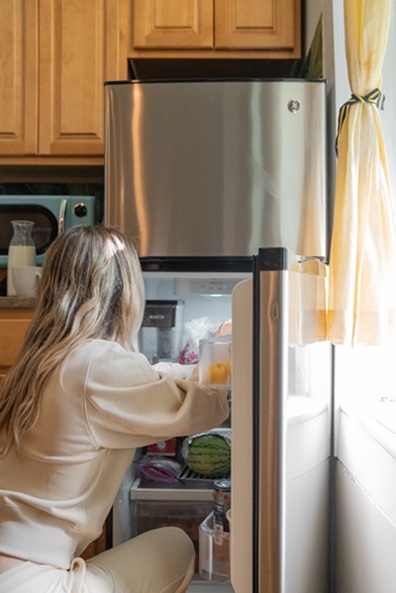
Keeping your fridge organized is only half the battle; maintaining that order is what ensures a healthy kitchen environment.
Weekly Cleanout
Consistency is the enemy of clutter. Try to set a specific day each week, ideally the day before you go grocery shopping, to audit your inventory.
- Toss Expired Items: Check dates on condiments and dairy frequently.
- Clear Leftovers: If it's been there more than three or four days, it's time for it to go.
- Create a List: Seeing what you already have prevents double-buying.
Deep Cleaning
Every few months, your refrigerator needs a reset to eliminate odors and bacteria buildup.
- Emptying: Remove everything from the fridge and place perishables in a cooler.
- Gentle Cleansing: Wipe down the shelves with a mixture of warm water and a non-toxic cleanser, like baking soda or mild dish soap. Avoid harsh chemicals that could linger near your food.
- Drawer Removal: Some crisper drawers can be completely removed. Take them to the sink for a thorough wash with soapy water to get into the corners where onion skins and debris hide.
- Dry and Replace: Ensure every surface is dry before restocking to prevent mold growth.
- Water Filter: If you have a refrigerator with water dispenser, you're going to need to change its filter about once every six months. To learn more about that, check out our blog: How to Change a Refrigerator Water Filter.
To learn more about cleaning your fridge, check out our blog: How to Clean and Maintain Your Refrigerator.
An organized refrigerator looks good and can help keep everyone in your home healthy. By following these kitchen organization tips, you'll find that food prep becomes faster, grocery shopping becomes more efficient, and food waste becomes a thing of the past. Clear out the top shelf today and experience the benefits of a perfectly-managed fridge!