How to Reduce Food Waste Using Your Refrigerator's Features
Posted on July 28, 2026 By Mike M.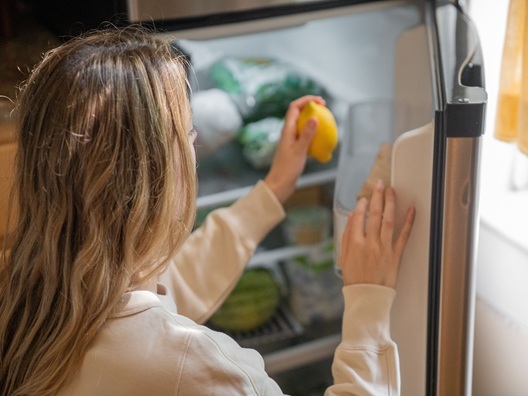
Picture this: You unwrap a head of lettuce or reach for a carton of berries, only to find they have completely lost their freshness before you ever got the chance to enjoy them. Food waste is an incredibly frustrating drain on your weekly grocery budget as well as your cravings, but the secret to saving your produce might be sitting right inside your kitchen already. Modern refrigerators are packed with advanced preservation technology designed specifically to extend the shelf life of your ingredients. By learning how to unlock and optimize these built-in systems, you can keep your food fresher for significantly longer.
In this guide, we will cover:
- Mastering high and low humidity settings to protect delicate produce.
- Utilizing smart features to plan meals efficiently.
- How built-in filters and ethylene scrubbers halt premature decay.
Humidity and Climate Controls
Some of the most common foods to spoil in your fridge are your fresh fruits and vegetables. Humidity controls aim to stop that. Your refrigerator's crisper drawers are specialized climate-controlled zones designed to manage moisture levels. Most modern refrigerators feature adjustable sliders that let you control airflow, which is your absolute best defense against premature wilting and rotting.
- The Low-Humidity Setting (Open Vent): This setting allows for the steady escape of ethylene gas, a natural ripening hormone emitted by certain fruits. Use the low-humidity drawer for gas-producing fruits like apples, pears, and stone fruits to prevent them from gassing themselves into an early decay.
- The High-Humidity Setting (Closed Vent): This setting traps moisture inside the drawer, keeping the air perfectly humidified. It is the ideal sanctuary for leafy greens, broccoli and herbs, which are highly sensitive to moisture loss and will wilt quickly if left in a dry environment.
- Flex Drawers: Many premium refrigerators now come with extra specialized full-width drawers to store foods requiring different storage temperatures than the general areas of the fridge or freezer can provide. These drawers allow you to set their temperature to whatever setting you want, making them perfect for storing specific items like deli meats, cheeses, or cold beverages.
Smart Technology and Organization
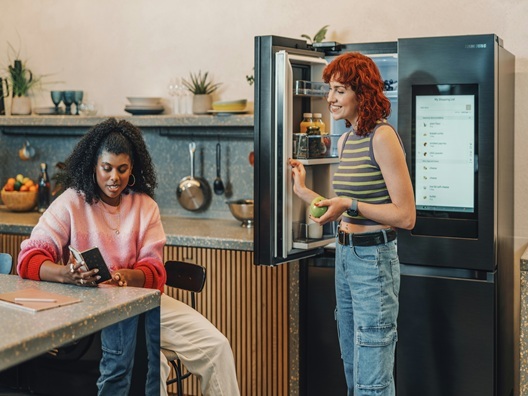
If you tend to forget what you already have in stock, or sometimes lose track of “use by” dates, a smart refrigerator may be right for you. Strategic food organization paired with integrated smart features ensure that your fridge's contents are eaten long before they have a chance to spoil.
- View-From-Inside Cameras: Built-in internal cameras can sync directly to a specific smartphone app. This allows you to peer inside your fridge while standing in the grocery store aisle, preventing you from accidentally buying duplicate items that might go to waste.
- Intelligent Inventory Tracking: Some apps allow you to log expiration dates or use voice commands to tag fresh items. The refrigerator will then send push notifications to your phone when ingredients are nearing their use-by date, prompting you to plan meals around what needs to be eaten first.
- Door-Ajar Smart Alerts: One of the quickest ways to spoil an entire fridge full of groceries is accidentally leaving the door cracked open overnight. Modern smart refrigerators send an instant alert straight to your smartphone if the door is left open for more than a few minutes, allowing you to save your food from dangerous temperature drops before it is too late.
On-Demand Rapid Cooling Modes
When you open the refrigerator doors to load a massive haul of groceries, the internal temperature of the compartment rapidly spikes. To protect your existing food from getting even remotely close to the "danger zone" where bacteria multiply, modern control panels feature actionable, high-speed chilling modes that you can physically turn on.
- Fast Chill Mode: Though this feature may have a different name depending on the brand of your fridge, turning it on temporarily forces the compressor and internal fans into overdrive. It blasts a continuous stream of sub-freezing air into the fridge compartment to rapidly snap incoming groceries down to a safe preservation temperature.
- Preventing Thermal Shock: When warm, room-temperature produce or leftovers are placed directly next to cold items like milk or fresh meat, the heat transfers between them. Turning on a rapid-chill mode immediately drops the surrounding air temperature, preventing nearby foods from being affected by warmer items.
- Automatic Shut-Off Efficiency: You don't have to worry about forgetting to turn the setting off and accidentally freezing your lettuce. These interactive cooling cycles are engineered to run on a precise internal timer, automatically resetting back to your standard baseline temperature once the optimal climate is restored.
5 Stats to Check in Your Refrigerator Today
- Verify your humidity drawer settings
- Organize produce by drawer type
- Check your refrigerator temperature
- Check your “use by” dates
- Check what your Flex Drawer is set at (if your fridge has one)
Reducing food waste is all about letting your fridge do the heavy lifting for you. With a few adjustments to your trusted appliance, you will throw away less food and enjoy ingredients that taste exactly the way they were meant to. Ready to optimize your cold storage? Take a look inside your refrigerator today and keep your food fresher for longer.