Induction vs. Gas Cooking: Which Is Right for Your Kitchen?
Posted on December 03, 2025 By Catherine Q.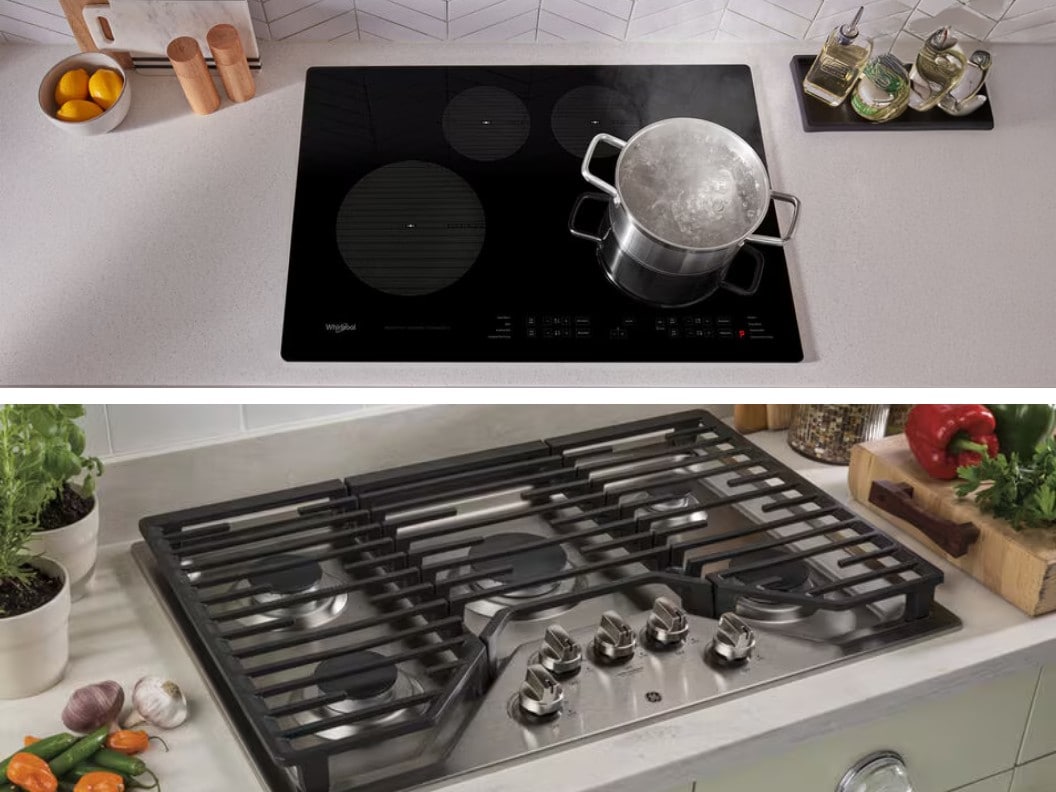
Induction appliances have increased massively in popularity since they made their debut in the kitchen appliance scene years ago, but the appeal of sticking with a more familiar cooking method can be incredibly tempting. With this boom in popularity has come a difficult crossroads for many homeowners: Do you go with traditional gas appliances, or switch to induction? We're here to break down the differences between these two fuel types to help you figure out which one would be best in your kitchen.
Cooking Preferences
Of course, the first thing you're going to want to figure out is which fuel type fits your cooking style more closely. Gas ranges have long been favorites for professional and home chefs alike due to their versatility and high heating power. Gas ranges can work with any cookware, and cooking with flames gives you a clear visual of the heating level. Induction ranges, however, offer speed as well as efficiency. Induction technology can bring a pot of water to boil in as little as two minutes, and adjusting its temperature changes the cookware temperature faster than gas ranges. Since the cookware itself becomes the heat source in induction cooking, there is virtually no wasted heat. Just bear in mind that induction technology can only work with certain cookware. To find out more about compatible cookware check out our blog: Which Cookware Works (and Doesn't Work) with Induction?
Kitchen Size and Ventilation
Cooking preferences aside, you're also going to need to take into account the space in your kitchen. Gas cooktops and ranges emit benzene and other pollutants, which can be harmful if you're cooking in a small, poorly-ventilated space like an apartment kitchen. Induction cooktops and ranges are electromagnetic and run off of electricity, so there's no risk of harmful pollutants getting into the air.
Family Members
If you have children running around your home, a gas appliance may not be the best choice for you. Gas appliances involve an open flame, which can be very dangerous for kids. Induction appliances are not only flameless, but the very nature of induction cooking means that the cooking surface will never get hot - only the cookware itself. Unless you've got a pacemaker or similar medical device, in which case you should keep away from induction cooktops while they are in use, induction cooking is an incredibly safe cooking method. And just in case we need to say it, there is absolutely NO evidence that these low levels of electromagnetism are harmful to humans in any way! To learn more about how induction cooking works, check out our blog: What is Induction Cooking?
Cleaning Up
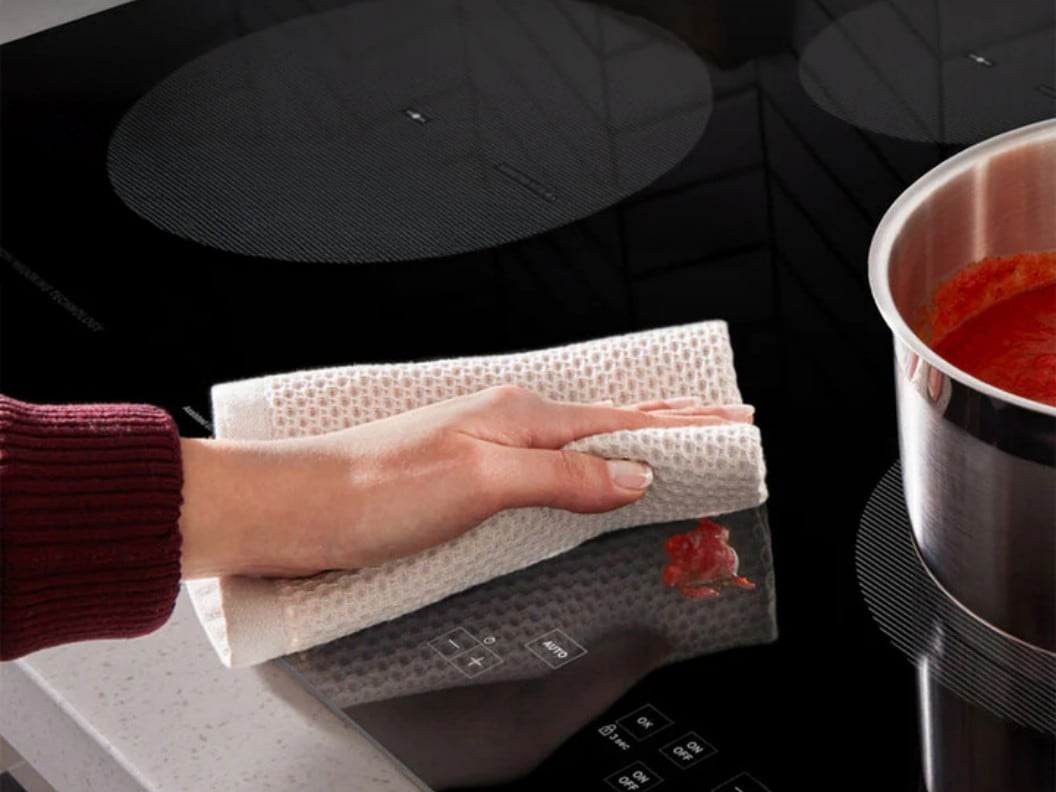
Nobody likes dealing with cleaning up after dinner, especially after cooking a particularly messy dish. Unfortunately, this chore is unavoidable. On a gas appliance, the job isn't particularly easy. If your sauce splashes and gets on the stovetop or the burners themselves, you're going to have to wipe down the grill grates, then probably lift the whole thing to wipe down the burners once everything cools off. Induction appliances, on the other hand, come with smooth and easy-to-clean surfaces. Once you're done cooking, all you'll have to do is wipe down the surface in one easy step, with no lifting or maneuvering needed.
Gas appliances will always be a kitchen staple for some. It's hard to beat the classic appeal of cooking on an open flame. However, induction appliances offer a safer, easier-to-manage cooking experience for those who are open to them. If you're looking for a new kitchen appliance, consider all of your choices carefully. Trying something new may just change the way you approach cooking meals.