What is an RGB LED TV?
Posted on March 24, 2026 By Chris D.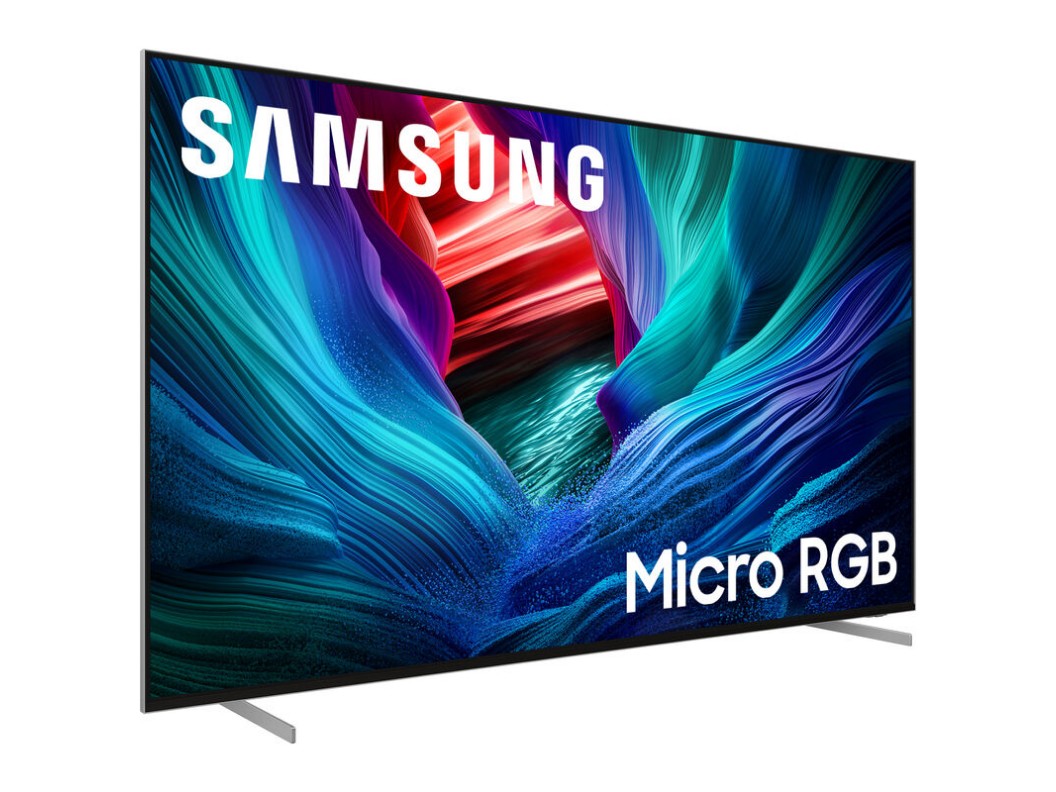
RGB mini-LED TVs, sometimes referred to as micro RGB TVs, may seem like just another jumble of letters and tech terms. However, these TVs pack some serious tech into a thin frame to bring you incredible picture quality. Let's break down what makes RGB mini-LED TVs stand out from the crowd!
How Does an RGB Mini-LED TV Work?
RGB mini-LED TVs function mostly like other LED TVs. They have a liquid crystal display (LCD) that sits in front of a layer of light-emitting diodes (LEDs) which act as the light source for the TV. As light from the LED layer filters through the LCD, images are displayed on your screen. Regular mini-LED TVs enhance this process. By using mini LEDs in the back layer, these TVs can produce sharper images and overall have far better picture quality than your average LED TV. RGB mini-LED TVs innovate even more by using red, green, and blue LEDs instead of the usual white or blue LEDs found in other models. The result is a TV that produces a much wider array of colors than even a mini-LED TV.
The Kings of Color
The color accuracy and vibrancy of these TVs is their main selling point. With color being produced at the light source, along with great filters in the LCD, you are getting some of the best, most visually appealing colors on your screen at all times. These TVs can also reach incredible brightness levels, outshining other popular display types. Though most content isn't yet optimized to be played at very high brightness levels, their exceptional brightness still helps play a part in creating vibrant colors.
Micro RGB vs. OLED
Once you start looking into RGB mini-LED TVs, you're inevitably going to come across the conversation of whether they stack up against OLED TVs. OLED has long been the tech to beat in the TV industry and that mostly comes down to their unique, self-emissive properties. The pixels in an OLED TV can self-light, meaning they can turn themselves on or off as needed in a scene. RGB mini-LED TVs are not self-emissive, which is a big leg up for OLED, since they can achieve perfect blacks and a greater contrast. However, that does not inherently make them the better choice! As mentioned, the color quality on micro RGB TVs is nearly unmatched. They can produce vibrant, immersive visuals that can even outpace OLED in some cases. We also talked about their brightness levels, which also outshine OLED. There is a lot to love when it comes to RGB mini-LED TVs and they are certainly something to consider even when compared to the “premier” TV tech. It's also important to note here that you may hear the term microLED thrown around during your research. MicroLED technology is self-emissive, but it is not the same thing as micro RGB, as it does not feature RGB technology. All of these acronyms can get confusing, but it is important to know them in order to make an informed purchase with all the pieces on the board.
If you're in the market for a new TV, and you want something that will take your visuals to the next level, an RGB mini-LED TV might be just what you're looking for. As these TVs settle into the market, their price tags - which as of writing are certainly intimidating - will almost definitely come down, especially when they become more accessible in smaller sizes. Until then, we can only keep an eye on this impressive technology and others like it to see what might come next in the world of TV tech.


