The Evolution of Home Entertainment from Radio to Streaming
Posted on September 21, 2026 By Alison P.It’s a weeknight, you’ve just finished dinner, and you decide to treat yourself to a little relaxation by opening up a streaming app to watch a movie or TV show. Pretty unremarkable, right? Not if you delve into the technological evolution required to get there! Home entertainment technology has grown exponentially through the decades, and we’re about to take a closer look into the evolution of electronic entertainment media, from its humble analog beginnings to the on-demand streaming we enjoy today.
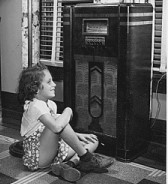
Radio
It’s the broadcast medium that started it all! Unlike early wireless communication – the type pioneered by Guglielmo Marconi in the late 19th century – broadcast radio was intended for a wide audience rather than a single person. The very first commercial radio broadcast happened in Pittsburgh, Pennsylvania, on November 2, 1920, in the service of reporting the results of the US presidential election. In subsequent years, the world of radio blossomed; in addition to news and sports broadcasts, the medium allowed an amazing variety of radio shows to find their footing in American pop culture, ushering in what is known today as the Golden Age of Radio. Popular programming included radio plays like Orson Welles's The Mercury Theatre on the Air, music showcases like King Biscuit Time, and quiz shows like Information Please. Children tuned into adventure shows like Captain Midnight, as well as programs based on comic books like Dick Tracy and Little Orphan Annie. The Golden Age of Radio lasted until the 1950s, the decade where a new entertainment medium took over in popularity.
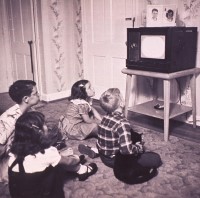
Television
The first TV station went on the air in 1928 in Schenectady, New York, but TV shows as we know them today were still a long way off, with broadcasts remaining short and experimental for many years to come. On top of that, television sets were prohibitively expensive for the average American, and the war effort during World War II meant a temporary halt on the production of TVs altogether. Manufacturing resumed in 1946, and while television broadcasts were limited to a few major metropolitan areas, anyone who saw it became enamored with the idea of home entertainment with moving images as well as audio. By 1958, the percentage of television ownership in the USA had skyrocketed to 83.2% from 0.4% just ten years earlier; no technology in history had become so ubiquitous in such a short period of time. Gathering around “the tube” became a family ritual every evening for most Americans, but just like radio, the audience was limited to whatever was on the air at the time.
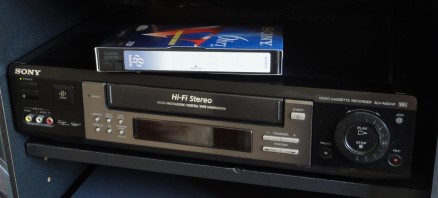
Home Video
Before home video, the only ways to take in a movie were to visit a movie theater or watch a movie being aired on television; either way, the choice wasn’t up to the viewer. The advent of home video made a viewer’s choice of movies easily watchable from home for the first time. The first available format was the Betamax in 1975, but VHS became the preferred home video system by the early ‘80s. Having a VCR with movies on videotape was a game-changer in the realm of electronic entertainment media; tapes were available for purchase, plus public libraries and video stores offered rentals to give movie fans a greater variety of options. In the late ‘90s, the debut of the DVD player began the shift toward optical discs becoming the viewing public’s preferred physical media format, but home audiences were still limited to whichever movies were physically available to them at the time.
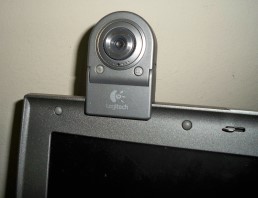
Webcasting
Internet usage among the public picked up steam during the ‘90s, and while many households were still using dial-up, webcasting became an important stepping stone toward the world of streaming. Webcasting began in the form of still images that posted once every few minutes, but starting in the mid ‘90s it was utilized for video in broadcasting events like concerts, fashion shows, and even weddings over the computer.
Streaming Video on Demand
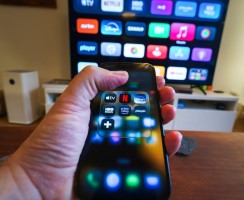
American audiences were introduced to streaming platforms in 2006 by way of Amazon Prime, followed soon by Hulu, Netflix, Apple TV, and Crunchyroll for anime fans. Instead of watching whatever was on TV or whatever they had available on DVD, audiences now had the ability to choose from a wide selection of movies and shows to watch whenever they wished. A few years later, Netflix upped its game by being the first streaming service to release a platform-exclusive show, and soon the “streaming wars” began between streaming platforms with their own exclusive content. Public libraries even got in on streaming technology, with select libraries offering platforms like Kanopy and Hoopla for free to anybody with a library card. Streaming media players soon gave way to smart TVs for an even easier streaming experience, and on-demand viewing became a fixture in the modern-day home.
The next time you’re sitting on the couch and scrolling through the available movie titles on Amazon or Netflix, take a few seconds to revel in the wonder of it! Home entertainment of all sorts is more accessible than it’s ever been. For the vast majority of human history, people couldn’t even begin to conceive of technology like this. They probably couldn’t have conceived of Love is Blind, either.
- Radio Image: Franklin D. Roosevelt Library Public Domain Photographs, Public domain, via Wikimedia Commons
- VCR Image: DeeperThought, CC BY-SA 3.0, via Wikimedia Commons
- Webcam Image: Sushiflinger, CC BY-SA 3.0, via Wikimedia Commons